
For many business owners new to the refrigeration industry, a cold storage facility may seem like nothing more than a “giant refrigerator that keeps things cold.” In reality, however, the design and materials chosen for a cold storage facility directly impact the freshness of your goods and long-term operating costs. Poor planning in the early stages can lead to skyrocketing electricity bills, failure to maintain desired temperatures, or even frequent shutdowns resulting in product loss. Before placing an order, be sure to consider these five key points:
1. Don’t Just Focus on Power: Precise Temperature Zone Matching Is Key Different products have vastly different temperature requirements.
Refrigerated Storage (0°C ~ 5°C): Suitable for vegetables, fruits, and flowers.
Freezer Storage (-18°C ~ -25°C): Suitable for meat, seafood, and ice cream.
Quick-Freezing Storage (below ~ -35°C): Used for rapidly cooling fresh products to lock in moisture.
Recommendation: When purchasing, be sure to inform the manufacturer of your region’s climate (especially the highest summer temperatures) and inventory volume so that engineers can calculate the most suitable unit capacity.
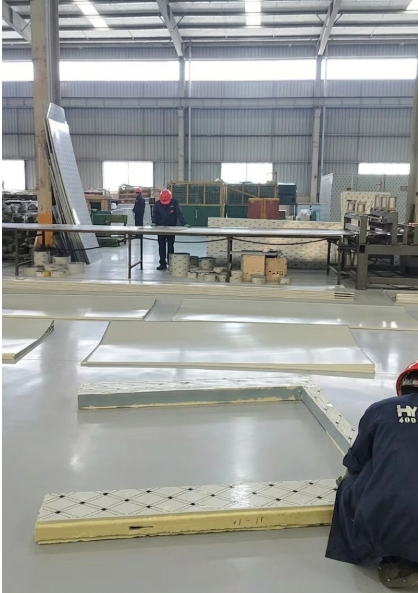
2. Insulation Panels: The “Thermal Insulation Coat” of a Cold Storage Facility. The quality of the insulation panels determines the rate of heat loss. Currently, polyurethane (PU) sandwich panels are the industry standard. Thickness Selection: 100 mm is typically recommended for fresh-keeping cold storage, while 120 mm or 150 mm is required for freezing cold storage. Material Details: High-quality panels feature high density (typically ≥40 kg/m³) and good flame retardancy. Panel finishes can include color-coated steel, stainless steel, or embossed aluminum, depending on the level of humidity in the environment and your budget.
3. The “Heart” of the System: Selecting a Compressor Unit
The compressor unit is the heart of the entire cold storage system. When it comes to brand selection, top-tier brands (such as Copeland and Bitzer) may require a slightly higher initial investment, but they offer superior energy efficiency (COP).
Money-Saving Tip: Over the long term, the electricity costs saved by a high-efficiency, energy-saving unit can often offset the difference in purchase price within 1–2 years.
4. Airflow Management and Proper Storage Arrangement
Many people mistakenly believe that a cold storage room simply needs to be packed to capacity.
Ventilation Gaps: Gaps must be left between the goods and the walls and floor, as well as between the goods themselves, to ensure proper circulation of cold air.
Cooling Unit Placement: Cooling units should not be installed directly above the storage room door to prevent direct exchange of cold and warm air when the door is opened, which can cause severe frost buildup and reduce cooling efficiency.
5. Smart Monitoring: More Than Just High Tech—It’s an “Insurance Policy”
Modern cold storage facilities shouldn’t focus solely on physical infrastructure. A control panel equipped with mobile remote monitoring and an automatic alarm system is essential.Value Proposition: In the event of a power outage or mechanical failure, the system will immediately notify you via your mobile phone. For cold storage facilities housing high-value goods, this setup—which costs only a few hundred dollars—can often prevent hundreds of thousands of dollars in losses.
Conclusion
Building a cold storage facility is a systematic project, and overlooking even the smallest detail can lead to costly maintenance bills down the road.
Want to learn more?
We offer one-stop refrigeration solutions, from 3D design and equipment manufacturing to logistics and installation. Whether you need a small mobile cold storage unit or a large-scale cold chain logistics center, our team of engineers is ready to provide you with expert advice.
👉 [Click here] to get your free customized quote!